Cheap Protein UK: Best High-Protein Foods by Value
Getting enough protein does not have to be expensive. In UK supermarkets, the best cheap protein usually comes from ordinary staples: eggs, tinned fish, Greek yogurt, lentils, beans, tofu, frozen chicken and cottage cheese. This guide ranks the options by usefulness for budget meal prep, not just headline protein grams.
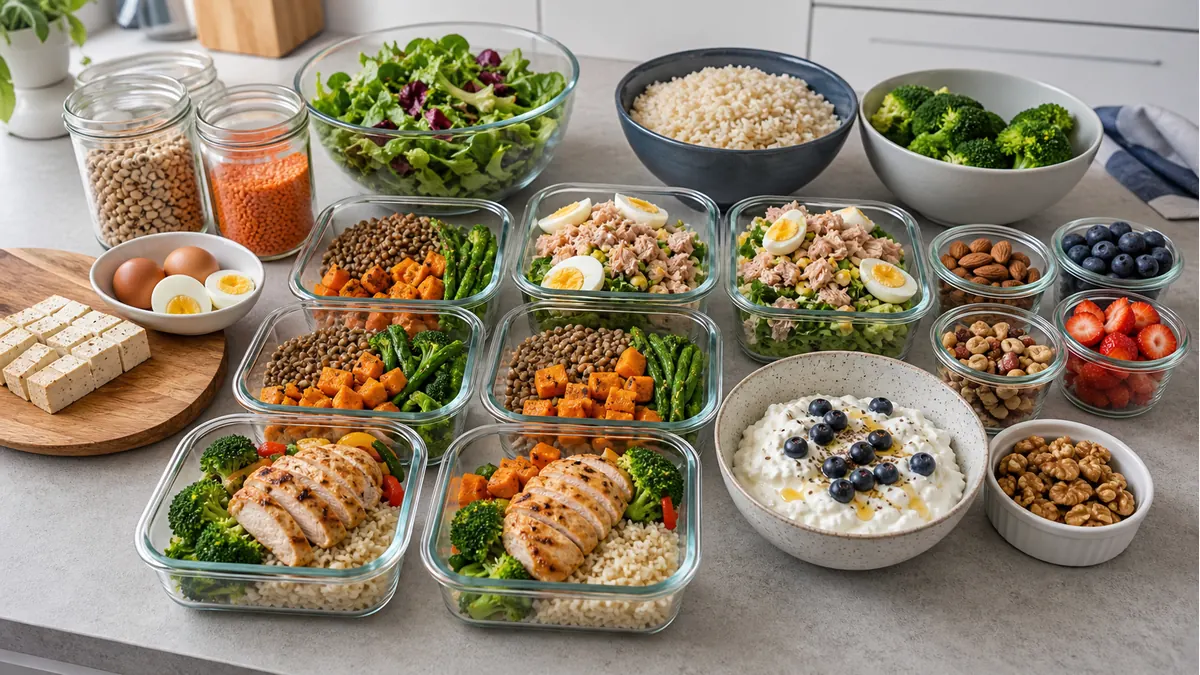
Compare more supermarket staples in the cheap protein sources UK guide, then turn the basket into a week with the high protein meal plans hub or use protein porridge breakfasts.
For a full weekly basket, use the high protein shopping list, compare cheap high-protein meal plans, or open the budget bodybuilding hub if the goal is muscle gain on a tighter shop.
Ready to use these foods in a plan? The Aldi high protein meal plan and the budget bodybuilding meal plan both build a structured week around the staples in this guide.
Quick Answer: What Is the Best Cheap Protein in the UK?
The best cheap protein in the UK is usually a mix of eggs, tinned tuna or sardines, Greek yogurt or skyr, cottage cheese, red lentils, beans, tofu, frozen chicken and milk. The right choice depends on whether you need breakfast protein, no-cook lunches, batch-cooked dinners or vegetarian staples.
For meal prep, build each day around one fridge protein, one cupboard protein and one freezer protein. That keeps cost down and avoids relying on protein bars or expensive branded snacks.
| Need | Best cheap protein | Meal prep use |
|---|---|---|
| Breakfast | Eggs, Greek yogurt, skyr, milk | Porridge, yogurt bowls, omelettes |
| No-cook lunch | Tinned tuna, sardines, cottage cheese | Jackets, wraps, salad boxes |
| Batch cooking | Frozen chicken, turkey mince, tofu | Chilli, curry, rice boxes |
| Vegetarian budget | Lentils, beans, tofu, eggs, yogurt | Dhal, soups, burrito bowls |
Choose Protein for Your Goal
The cheapest protein source is not always the best answer. A student batch-cook, a low-calorie lunch box and a muscle-gain basket need different staples, so start with what fits your week.
| Intent | Best cheap protein choices | Best next page |
|---|---|---|
| Cheap high protein meal prep | Eggs, tuna, frozen chicken, lentils, beans, skyr | High protein meal plans |
| Budget bodybuilding | Oats, milk, eggs, chicken thighs, mince, rice, yogurt | Budget bodybuilding hub |
| Low calorie high protein | Chicken breast, tuna, prawns, cottage cheese, tofu, turkey mince | 1500 calorie meal plans |
| Vegetarian budget protein | Eggs, Greek yogurt, cottage cheese, tofu, lentils, beans | Vegetarian meal plans |
Why Protein Matters on a Budget Diet
Protein is the macronutrient that does the most work when you are eating less. It helps preserve muscle mass during a calorie deficit, keeps you full for longer than carbohydrates or fat, and has the highest thermic effect — meaning your body uses roughly 20–30% of protein calories just digesting it. For weight loss or muscle gain, aiming for roughly 1.6–2.2 g of protein per kilogram of bodyweight is a common sports-nutrition planning range, but individual needs vary.
The challenge is that many high-protein foods — premium steak, smoked salmon, protein bars — are expensive. But UK supermarkets stock a surprising range of genuinely cheap protein sources that rival expensive options on a per-gram basis. The key is knowing which items to look for.
Top Cheap Protein Foods Ranked by Protein per Penny
Use this list as a budget-shopping framework: compare own-brand staples by grams of protein per pound, then check current shelf prices in your supermarket app before buying.
- Dried red lentils (500 g, ~£0.75): ~24 g protein per 100 g dry, about 1.6 g per penny (160 g per £1). The best value on this list by a distance, with fibre and iron as a bonus.
- Chicken breast (frozen, 1 kg, ~£3.50): about 22–24 g protein per 100 g raw (about 31 g once cooked, because it loses water), about 0.64 g per penny. Buying frozen rather than fresh cuts the cost significantly.
- Skimmed milk (2 L, ~£1.10): ~3.5 g protein per 100 ml, about 0.64 g per penny. Easy protein to add to oats, smoothies and coffee.
- Frozen turkey mince (500 g, ~£2.00): ~22 g protein per 100 g raw, about 0.55 g per penny. Leaner than most beef mince, though at these prices it costs a little more per gram of protein than frozen chicken breast.
- 0% fat Greek yogurt (500 g tub, ~£1.20): ~10 g protein per 100 g, about 0.42 g per penny. Versatile for breakfast and snacks.
- Tinned sardines in brine (~55p per tin): ~22 g protein per tin, about 0.40 g per penny. Often overlooked, and the best value of the tinned fish here.
- Tinned tuna in spring water (~65p per 145 g tin): ~25 g protein per tin, about 0.38 g per penny. No cooking required.
- Low-fat cottage cheese (300 g, ~£1.00): ~12 g protein per 100 g, about 0.36 g per penny. Often underrated and genuinely filling.
- Tinned chickpeas (400 g, ~£0.55): ~7 g protein per 100 g drained, about 0.31 g per penny. Better as a cheap bulking ingredient for soups, curries and salads than as a main protein.
- Eggs (12-pack, ~£2.80): ~6.3 g protein per egg, about 0.27 g per penny. At this price they are the dearest per gram here, but they are the most versatile and the easiest to cook; bigger packs and discounter prices close the gap.
How to Hit 150g of Protein for Under £3 a Day
A practical day using the prices above: 3 eggs at breakfast (19 g protein, ~70p) + 1 tin of tuna at lunch (25 g, 65p) + 200 g frozen chicken breast at dinner (about 45 g, weighed raw, 70p) + 200 g 0% Greek yogurt as a snack (20 g, 48p) + 500 ml skimmed milk across the day (17 g, ~28p) + 100 g dried red lentils, cooked into a dal or stirred into the chicken dinner (24 g, ~15p) = about 150 g protein for roughly £2.95.
The lentils do the heavy lifting on cost: without them the same day comes to about 126 g. That is the pattern worth copying - a couple of the cheapest proteins doing most of the work, with the dearer ones for variety - rather than this exact menu.
Cheap Protein Foods to Avoid
Not all budget protein claims hold up. Protein bars often cost 80p–£2 per bar for 20 g of protein — expensive per gram compared to lentils, frozen chicken, milk or Greek yogurt. Deli meats such as ham and processed chicken slices are moderately priced but often high in sodium and only 12–15 g protein per 100 g. Baked beans are cheap but only 5 g protein per 100 g, which makes them poor value as a protein source (excellent as a carb and fibre source, however).
The sweet spot is whole or minimally processed protein foods: eggs, tinned fish, frozen chicken and turkey, low-fat dairy, and legumes. These provide the best combination of protein density, nutritional quality, and cost.
Shopping Tips by Supermarket
Aldi and Lidl consistently win on price for eggs, tinned fish, and own-brand chicken. Aldi's Specially Selected range sometimes offers better cuts for special occasions, but the standard own-brand chicken and eggs are just as nutritious as premium alternatives. Tesco Clubcard Prices frequently bring chicken breast and salmon to competitive prices — worth checking weekly. Asda and Morrisons own-brand tinned tuna and sardines match Aldi pricing and are worth buying in bulk.
Buying frozen over fresh saves 20–40% on chicken, turkey, and prawns with zero nutritional cost. Buying tinned fish by the multipack (4–6 tins) is consistently cheaper per tin than buying individually.
Cheap Vegetarian High-Protein Options UK
Plant-based eating does not mean low protein. UK supermarkets stock a solid range of vegetarian high-protein foods that compete well with meat on cost-per-gram of protein.
| Food | Approx protein per serving | Best use | Budget note |
|---|---|---|---|
| Eggs (2 large) | ~12 g | Omelettes, breakfasts, stir-fries | Cheap per meal and the most versatile, though not the cheapest per gram |
| 0% Greek yogurt (200 g) | ~20 g | Breakfast bowls, snacks, sauces | Large tubs at Aldi and Lidl offer best value per 100 g |
| Low-fat cottage cheese (200 g) | ~24 g | Snacks, salads, on toast | Often under £1 at Aldi and Lidl |
| Dried red lentils (80 g dry weight) | ~19 g | Soups, dhal, curries, batch cooking | One of the cheapest protein sources overall — around 75p per 500 g bag |
| Tinned chickpeas (240 g drained) | ~17 g | Curries, salads, wraps, roasted snacks | Under 60p per tin at most UK supermarkets |
| Firm tofu (200 g) | ~16 g | Stir-fries, baked dishes, scrambles | Stocked by Lidl, Tesco and Sainsbury's; use extra-firm for meal prep |
Cheap High-Protein Snacks in UK Supermarkets
Snacks are where high-protein eating tends to get expensive. Branded protein bars and ready-to-drink shakes cost far more per gram of protein than basic supermarket staples. These options deliver solid protein for less:
- Boiled eggs (2 eggs): ~12 g protein for around 44p — batch-boil 6–8 at the weekend.
- 0% Greek yogurt (150 g pot): ~15 g protein, ~40p from Aldi or Lidl — one of the best-value snacks in a UK supermarket.
- Cottage cheese (150 g): ~18 g protein, ~50p — eat with cucumber and black pepper.
- Tinned tuna pouch (one 100 g portion): ~25 g protein, 50–65p — no draining required with peel-back pouches.
- Edamame (100 g from frozen): ~11 g protein, ~25p per portion — microwave from frozen in 3 minutes.
- Skyr yogurt (150 g): ~17 g protein — Lidl Milbona skyr is among the cheapest branded options.
Example Budget High-Protein Shopping Basket
The basket below is an illustrative example — supermarket prices vary and change frequently, so check current shelf prices before shopping. These are typical one-person week staples from a budget UK supermarket.
| Item | Approx quantity | Example meal prep use |
|---|---|---|
| Chicken breast (frozen) | 1 kg | Batch-cook Sunday; use for lunches and dinners |
| Eggs (12 pack) | 12 eggs | Breakfasts, snacks, fried rice, omelettes |
| Tinned tuna in spring water | 4 × 145 g tins | Jacket potatoes, wraps, lunchboxes |
| 0% fat Greek yogurt | 2 × 500 g tubs | Breakfast bowls, snacks, protein sauces |
| Dried red lentils | 500 g bag | Dhal, soups, curries — batch cook in bulk |
| Rolled oats | 1 kg bag | Overnight oats, porridge, protein oats |
| Brown rice | 500 g bag | Meal prep base for lunches and dinners |
| Frozen mixed veg | 1 kg bag | Side dishes, stir-fries, rice bowls |
Frequently Asked Questions
What is the cheapest high protein food in the UK?
At typical prices, dried red lentils give by far the most protein per penny - about 160g of protein per £1 at ~75p for 500g. Of the animal proteins, frozen chicken breast and skimmed milk come next (both about 64g per £1), then Greek yogurt and tinned fish at around 40g per £1. Eggs are the dearest per gram at 12-pack prices, though still cheap per meal.
Can I hit 150g protein per day for under £3?
Yes, if lentils do some of the work. 3 eggs (19g, ~70p) + 1 tin tuna (25g, 65p) + 200g frozen chicken breast weighed raw (about 45g, ~70p) + 200g Greek yogurt (20g, 48p) + 500ml skimmed milk (17g, ~28p) + 100g dried red lentils (24g, ~15p) = about 150g protein for roughly £2.95. Prices vary by supermarket and change regularly — check shelf prices before shopping.
Is Aldi or Lidl cheaper for protein foods?
They are broadly similar. Aldi tends to be slightly cheaper on chicken breast and oats; Lidl is competitive on fish and dairy. Both are significantly cheaper than Tesco, Asda, and Sainsbury's for the core protein staples.
What are good vegetarian high-protein foods in UK supermarkets?
Eggs, 0% Greek yogurt, cottage cheese, dried red lentils, tinned chickpeas, and tofu are all widely available in UK supermarkets and provide solid protein at low cost. Red lentils and chickpeas are particularly good value for vegetarians doing batch cooking.
Are protein bars worth buying on a budget?
Usually not. Branded protein bars cost 80p–£2 per bar for around 20 g of protein — expensive on a per-gram basis compared to lentils, frozen chicken, milk or Greek yogurt. For budget eating, those foods deliver more protein for less money and with better nutritional profiles overall.
Want this as a full 7-day plan?
We'll email the matching plan, its shopping list and a printable copy.
We'll send: Aldi High Protein Meal Plan — 140-170g Protein, £35-45/week
Want a new plan every week? Join the MealPrep+ waitlist.
Find Your UK Supermarket Meal Plan
Answer seven quick questions to find a realistic weekly plan for your supermarket, calorie target, budget and dietary preferences.
Find My Meal Plan →Related Articles & Meal Plans
- Student High Protein Meals UK
- Cheapest Protein Sources: Cost per Gram Compared
- Chicken vs Eggs: Which Is Better Value?
- Cheap Protein Sources UK
- Protein Porridge UK
- Tesco Low Calorie Meal Plan
- High Protein Low Calorie Plan
- Cheap High-Protein Meal Plan
- High Protein Low Calorie Meals
- Aldi High Protein Meal Plan
- Budget Bodybuilding Meal Plan
- Best Supermarket for High-Protein Meal Prep