Anti-Inflammatory Diet UK: Foods, Meal Plan, and What the Research Says
“Anti-inflammatory” is commonly used for a Mediterranean-style eating pattern rich in vegetables, fruit, wholegrains, pulses, nuts, olive oil and oily fish. Food is not a treatment for inflammatory disease, and individual foods do not reliably control symptoms. This guide offers general UK meal-planning ideas based on that overall pattern; anyone managing a condition or persistent symptoms should seek individual clinical advice.
What Is an Anti-Inflammatory Diet?
There is no single clinical “anti-inflammatory diet”. The term usually describes an overall Mediterranean-style pattern that prioritises vegetables, fruit, wholegrains, pulses, nuts, olive oil and fish while limiting heavily processed foods.
Research considers the whole eating pattern rather than treating one food as a medicine. The practical value here is a varied, fibre-rich weekly plan, not a promise to prevent, treat or cure disease.
The Best Anti-Inflammatory Foods Available in UK Supermarkets
These foods fit a Mediterranean-style pattern and are widely available at major UK supermarkets:
- Oily fish (salmon, mackerel, sardines, trout): a dietary source of long-chain omega-3 fatty acids (EPA and DHA). Follow current NHS guidance on fish portions and pregnancy-related limits.
- Extra-virgin olive oil: a practical unsaturated fat for dressings and lower-temperature cooking; it should not be compared with medicine.
- Berries (blueberries, strawberries, raspberries, blackberries): fruit containing fibre and a range of polyphenols. Fresh and frozen both work in meal prep.
- Leafy greens (spinach, kale, rocket): rich in vitamin K, magnesium, and carotenoids, all of which help modulate inflammatory responses.
- Walnuts and almonds: provide omega-3 ALA (plant-based), vitamin E and polyphenols. A 30 g portion is the usual practical serving — easy to add to yogurt or porridge without pushing the day’s calories up much.
- Turmeric: a flavouring that can add variety to curries, soups and grains. Normal culinary use is not equivalent to a curcumin supplement or an anti-inflammatory medicine.
- Green tea: an optional unsweetened drink; evidence about specific clinical effects does not make it a treatment.
- Wholegrains (oats, brown rice, quinoa): provide resistant starch and fibre that feed beneficial gut bacteria, reducing gut permeability and systemic inflammation.
Foods to Avoid on an Anti-Inflammatory Diet
Just as important as what you eat is what you reduce or eliminate. The following foods consistently raise inflammatory markers:
- Refined sugars and sugary drinks: diets high in added sugar are linked with higher markers of inflammation, and the NHS advises adults to have no more than 30g of free sugars a day. This includes fizzy drinks, fruit juice, sweets, and heavily processed breakfast cereals.
- Ultra-processed foods (UPFs): crisps, ready meals, fast food, and most packaged snacks contain a combination of refined carbohydrates, trans fats, and additives that promote inflammation.
- Refined vegetable and seed oils: sunflower, corn, and soybean oils are high in omega-6 fatty acids, which in excess shift the omega-3:omega-6 ratio towards inflammation. Use olive oil instead.
- Processed meats: bacon, sausages, salami, and deli meats contain nitrates and advanced glycation end-products (AGEs) that are strongly associated with inflammatory disease.
- Excess alcohol: more than 14 units per week consistently raises CRP and other inflammatory markers in population studies.
7-Day Anti-Inflammatory UK Meal Plan
This plan is built around anti-inflammatory staples available at UK supermarkets. Approximate calories: 1,800–2,000 kcal per day with high omega-3 content.
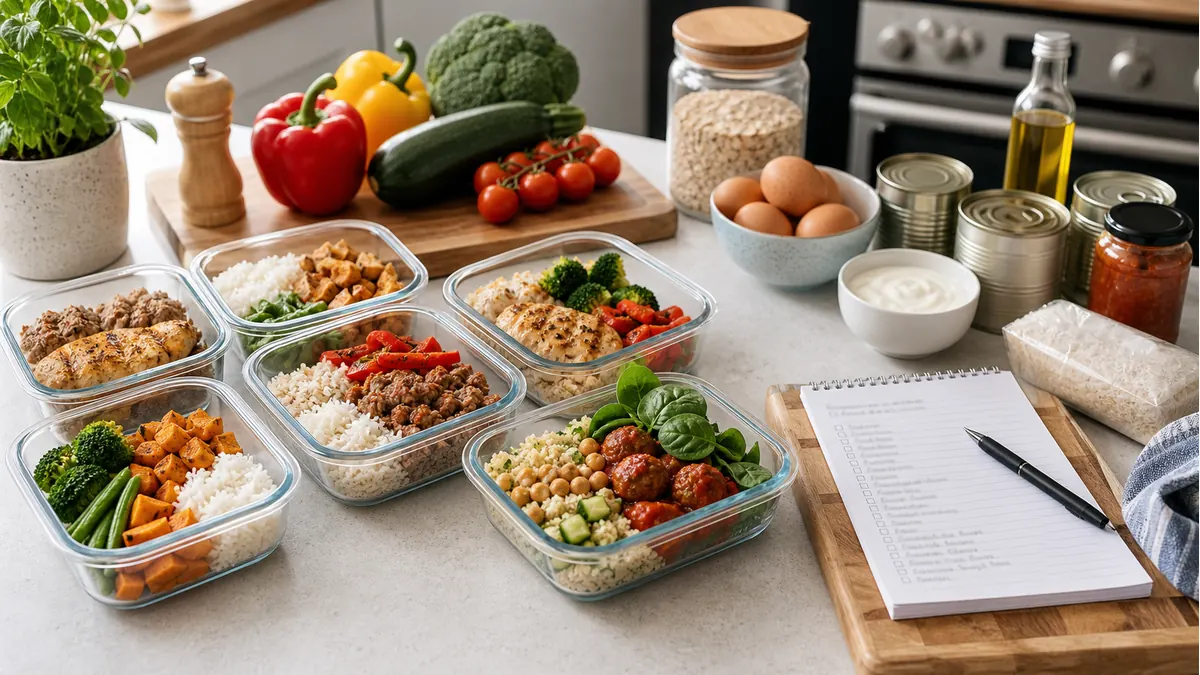
Monday: Breakfast — overnight oats with frozen blueberries, walnuts, and a teaspoon of ground flaxseed. Lunch — tinned mackerel salad with spinach, cucumber, cherry tomatoes, and extra-virgin olive oil. Dinner — baked salmon fillet with roasted sweet potato and tenderstem broccoli.
Tuesday: Breakfast — scrambled eggs with spinach and wholemeal toast. Lunch — lentil soup with kale and turmeric (batch-cooked). Dinner — chicken breast with quinoa, roasted red peppers, and olive oil dressing.
Wednesday–Sunday follows the same pattern: alternate oily fish with lean poultry, keep greens and wholegrains at every meal, snack on mixed nuts and berries. Browse our anti-inflammatory plans for a complete prebuilt 7-day schedule.
Anti-Inflammatory Eating on a UK Budget
Anti-inflammatory eating does not require expensive superfoods. The most impactful foods — tinned sardines, frozen berries, oats, spinach, frozen broccoli, and eggs — are among the cheapest items in any UK supermarket. Tinned sardines at Aldi cost around 55p per tin and deliver more omega-3 per pound than fresh salmon.
Frozen oily fish (salmon fillets, mackerel fillets) from Iceland or Aldi costs £2–3 per portion and is nutritionally equivalent to fresh. Frozen mixed berries (Tesco, Aldi, Iceland) are available for £2–2.50 per 750 g bag — far cheaper than fresh and equally rich in anthocyanins.
What Results Can This Plan Claim?
This general meal plan cannot predict changes in blood markers, pain, energy or sleep. Those outcomes depend on health status and require appropriate clinical assessment.
Use the plan generator for a Mediterranean-style week with a shopping list. It is general planning information, not personalised treatment.
Frequently Asked Questions
What is the best anti-inflammatory diet in the UK?
The Mediterranean-style diet is the most researched. For UK shoppers this means eating oily fish (salmon, mackerel, sardines) 2–3 times per week, using extra-virgin olive oil as your primary fat, eating plenty of leafy greens and berries, choosing wholegrains, and limiting ultra-processed foods, sugary drinks, and processed meats.
Which foods fit a Mediterranean-style plan?
A varied pattern can include vegetables, fruit, pulses, wholegrains, nuts, olive oil and oily fish. No single food should be presented as a treatment for inflammation.
How long does an anti-inflammatory diet take to work?
A general meal plan cannot predict a clinical result or timeline. Speak to a qualified healthcare professional about persistent symptoms or a diagnosed inflammatory condition.
Want this as a full 7-day plan?
We'll email the matching plan, its shopping list and a printable copy.
We'll send: Anti-Inflammatory Meal Plan — 1,800 kcal
Want a new plan every week? Join the MealPrep+ waitlist.
Find Your UK Supermarket Meal Plan
Answer seven quick questions to find a realistic weekly plan for your supermarket, calorie target, budget and dietary preferences.
Find My Meal Plan →