Glass vs Plastic Meal Prep Containers
Glass and plastic meal prep containers both work, but they solve different problems. Glass is better for reheating and long-term food storage. Plastic is cheaper, lighter, and easier to carry. The right answer depends on how you prep and where you eat.
As an Amazon Associate I earn from qualifying purchases. Product prices and availability can change on Amazon UK.
Start with the best meal prep containers hub for the quick comparison, then use the detailed buying guides below.
Compare the dedicated buying guides for budget meal prep containers, mid range glass containers and premium meal prep containers before choosing a set.
Glass And Plastic Containers To Compare
Use these picks to compare the realistic trade-off between low-cost plastic, mid-range glass, and larger premium glass sets.
Product formats and care details follow current Amazon listing or manufacturer information, not hands-on testing. Check the live listing before buying.
Glass And Plastic Containers To Compare: quick comparison
Compare 3 options first, then scroll for the longer buying notes.
- Material
- Reusable plastic
- Price
- Budget
Best starter pack
20 pack - 3 compartmentsBulk weekday lunches, freezer portions, and beginner meal prep
A large divided-container pack for people who want low cost per tub and enough boxes for serious batch cooking.
- Material
- Reusable plastic
- Format
- 20 pack
- Layout
- 3 compartments
Avoid if: You want a premium eating experience or stain-resistant bases.
- Material
- Glass
- Price
- Mid-range
Best balanced glass set
5 pack - 1 compartmentA balanced glass upgrade without paying premium-set prices
A strong mid-range pick for people moving from plastic to glass meal prep containers.
- Material
- Glass
- Format
- 5 pack
- Layout
- 1 compartment
Avoid if: You commute with several meals at once and need lightweight tubs.
- Material
- Borosilicate glass
- Price
- Higher-cost
Best full-week glass set
10 pack - Mixed glass storageA fuller glass setup for serious weekly meal prep
A larger glass set for meal preppers who want enough containers for lunches, dinners, and leftovers.
- Material
- Borosilicate glass
- Format
- 10 pack
- Layout
- Mixed glass storage
Avoid if: You have limited cupboard space or only need lunch boxes.
- Material
- Reusable plastic
- Price
- Budget
Vinsani 3 Compartment Meal Prep Containers
A large divided-container pack for people who want low cost per tub and enough boxes for serious batch cooking.
Best for: Bulk weekday lunches, freezer portions, and beginner meal prep
Buy if: You want the lowest cost per usable lunch tub.
Avoid if: You want a premium eating experience or stain-resistant bases.
- Price level
- Budget
- Material
- Reusable plastic
- Set format
- 20 pack
- Last checked
- 13 July 2026
Watch out: Plastic tubs can stain with tomato sauces or curries over time.
See Amazon price →Pros, cons and key features
- Layout
- 3 compartments
- Storage fit
- Excellent for freezer batches and high-volume prep
- Strong container count
- Clear portion sections
- Good for freezer rotation
- Can stain with tomato or curry
- Still takes cupboard space
- Three compartments for protein, carbs, and vegetables
- Lightweight enough for commuting or gym bags
- Good choice when you want many tubs for batch cooking
- Material
- Glass
- Price
- Mid-range
Harbour Housewares Glass Containers with Airtight Lids
A strong mid-range pick for people moving from plastic to glass meal prep containers.
Best for: A balanced glass upgrade without paying premium-set prices
Buy if: You want one sensible glass lunch box for each weekday.
Avoid if: You commute with several meals at once and need lightweight tubs.
- Price level
- Mid-range
- Material
- Glass
- Set format
- 5 pack
- Last checked
- 13 July 2026
Watch out: Glass is heavier than plastic for commuting.
See Amazon price →Pros, cons and key features
- Layout
- 1 compartment
- Storage fit
- Best all-round workweek glass setup
- Good workweek format
- Glass resists stains
- Strong mid-range value signal
- Heavier than plastic
- Only five containers
- Airtight-style lids for fridge storage
- Glass base avoids staining from curry or tomato sauce
- Good everyday size for weekday lunches
- Material
- Borosilicate glass
- Price
- Higher-cost
BOROHOUSE 10-Pack Glass Storage Containers
A larger glass set for meal preppers who want enough containers for lunches, dinners, and leftovers.
Best for: A fuller glass setup for serious weekly meal prep
Buy if: You want one larger glass system for lunches, dinners and leftovers.
Avoid if: You have limited cupboard space or only need lunch boxes.
- Price level
- Higher-cost
- Material
- Borosilicate glass
- Set format
- 10 pack
- Last checked
- 13 July 2026
Watch out: A larger glass set takes more cupboard space and is heavier to carry.
See Amazon price →Pros, cons and key features
- Layout
- Mixed glass storage
- Storage fit
- Excellent for full-week glass meal prep
- Full-week coverage
- Borosilicate glass signal
- Good for freezer and fridge organisation
- Heavy as a full set
- Takes more storage space
- Ten-piece coverage for a fuller weekly prep
- Borosilicate glass bases suit reheating and freezer storage
- Airtight lids help keep batch-cooked meals fresh
When Glass Is Better
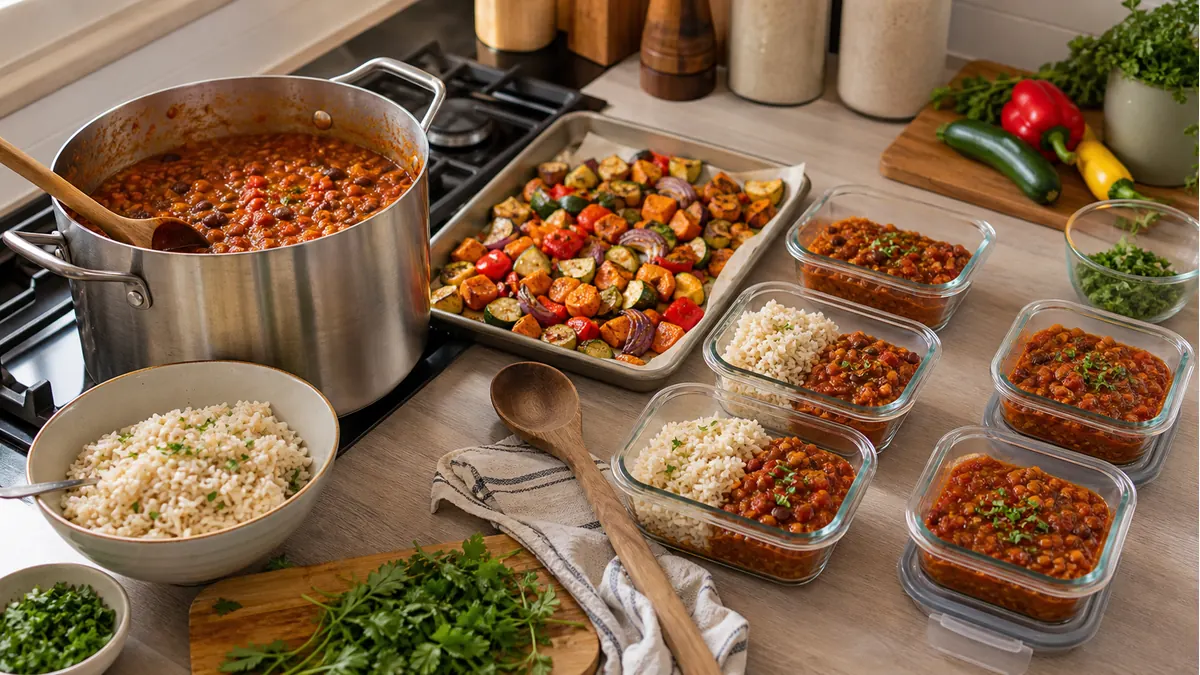
Glass wins if you reheat meals often. It does not stain as easily, does not hold curry or tomato smells in the same way, and generally feels better to eat from. If your meal prep includes chilli, bolognese, curry, fajita bowls, or tomato pasta, glass will stay nicer for longer.
Glass also suits people who prep at home and eat at home. The extra weight is not a problem when the container is moving from fridge to microwave to table. For office lunches, glass still works, but carrying multiple portions can get heavy.
When Plastic Is Better
Plastic is best for cost, weight, and quantity. If you want ten or twenty containers for batch cooking, plastic keeps the upfront spend low. It is also less stressful for packed lunches because it will not smash if dropped.
The downside is wear. Plastic can stain, lids can warp, and older tubs can start to feel tired quickly. Use plastic for dry lunches, salads, sandwiches, rice bowls, and freezer portions where perfect presentation does not matter.
Which Is Safer For Reheating?
Follow the product instructions on every listing. As a practical rule, glass bases are the more comfortable choice for frequent reheating. With plastic, check that the specific container is marked microwave safe, remove or vent lids as instructed, and avoid overheating oily or tomato-rich foods.
If you are buying mainly for hot work lunches, mid range glass is the best compromise. If you are buying mainly for cold salads or snacks, plastic is usually fine.
Best Buying Decision
Buy plastic first if you are not sure you will stick with meal prep. Buy glass first if you already cook batches weekly. Buy both if you want a complete system: glass for reheated lunches and plastic tubs for freezer overflow, sauces, snacks, and travel.
Frequently Asked Questions
Do glass meal prep containers last longer than plastic?
Usually yes, as long as they are not dropped. Glass resists staining and odours better than plastic, so it tends to feel newer for longer.
Are plastic meal prep containers bad?
No. Good plastic containers are useful, affordable, and light. The main drawbacks are staining, odours, and lower durability compared with glass.
Can I freeze meals in glass containers?
Many glass containers are freezer safe, but you must check the exact listing and leave headroom for food expansion. Avoid sudden temperature shocks.
Find Your UK Supermarket Meal Plan
Answer seven quick questions to find a realistic weekly plan for your supermarket, calorie target, budget and dietary preferences.
Find My Meal Plan →