Best Meal Prep Containers for Soup UK
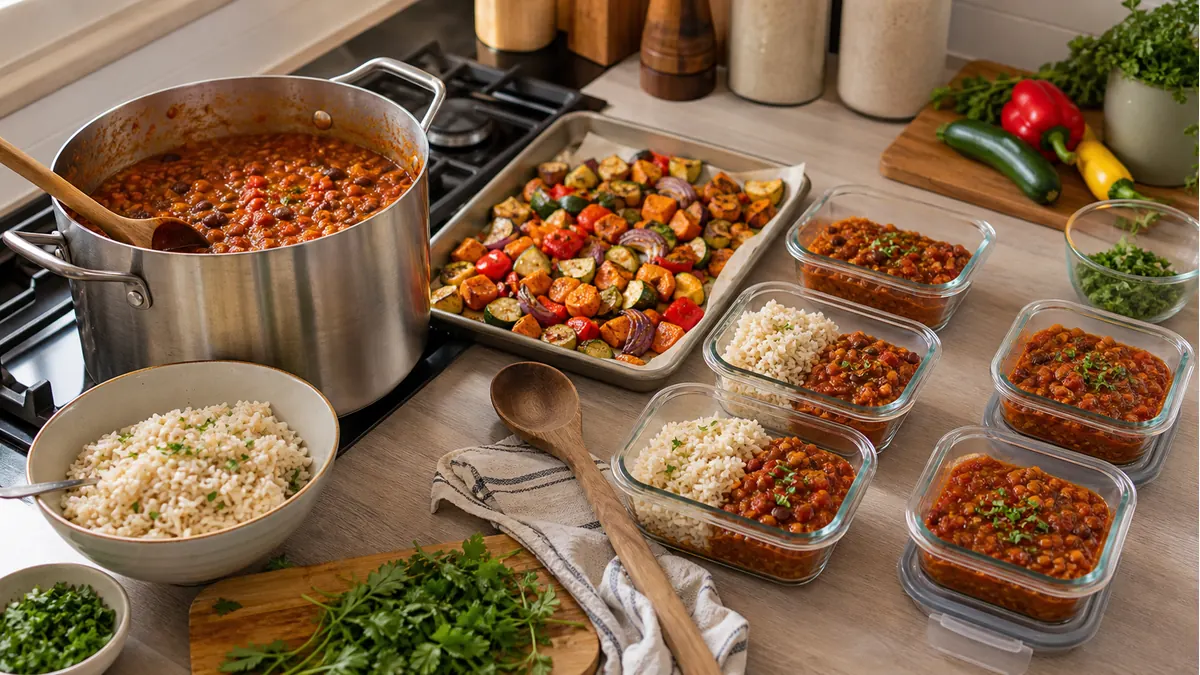
Soup is one of the easiest things to batch cook and one of the easiest to spill. The right container is less about looks and more about seal quality, shape, and leaving room for liquid to expand in the freezer. This guide covers what actually works.
As an Amazon Associate I earn from qualifying purchases. Product prices and availability can change on Amazon UK.
Start with the best meal prep containers hub for the quick comparison, then use the detailed guides below.
For product comparisons, see the budget container guide, mid range container guide and premium container guide.
Tubs That Seal Against Liquid
Twist-lid deli tubs are the cheapest reliable answer for soup and freeze well. The glass set is for people who would rather reheat in the same container.
Product formats and care details follow current Amazon listing or manufacturer information, not hands-on testing. Check the live listing before buying.
Tubs That Seal Against Liquid: quick comparison
Compare 2 options first, then scroll for the longer buying notes.
- Material
- Plastic
- Price
- Budget: around £15-£25 target
Best big multipack
100-piece style multipack - Mixed plastic tubsA high-count plastic set for buyers who want lots of usable tubs rather than a premium material.
- Material
- Plastic
- Format
- 100-piece style multipack
- Layout
- Mixed plastic tubs
Avoid if: You only need a tidy five-day work lunch set.
- Material
- Glass
- Price
- Mid-range
Best balanced glass set
5 pack - 1 compartmentA strong mid-range pick for people moving from plastic to glass meal prep containers.
- Material
- Glass
- Format
- 5 pack
- Layout
- 1 compartment
Avoid if: You commute with several meals at once and need lightweight tubs.
- Material
- Plastic
- Price
- Budget: around £15-£25 target
Dealusy 100-Piece Meal Prep Containers
A high-count plastic set for buyers who want lots of usable tubs rather than a premium material.
Best for: High-volume batch cooking, freezer portions, and shared households
Buy if: You batch cook for more than one person or freeze many portions.
Avoid if: You only need a tidy five-day work lunch set.
- Price level
- Budget: around £15-£25 target
- Material
- Plastic
- Set format
- 100-piece style multipack
- Before buying
- Check the live Amazon listing
Watch out: Large multipacks take cupboard space and can include mixed capacities.
See Amazon price →Pros, cons and key features
- Layout
- Mixed plastic tubs
- Storage fit
- Strong for shared households and bulk cooking
- Huge storage coverage
- Useful for freezer batches
- Good shared-house option
- Needs cupboard space
- Mixed sizes can be less tidy
- Large piece count suits freezer batches
- Good for prepping for more than one person
- Cheap enough to keep many portions ready
- Material
- Glass
- Price
- Mid-range
Harbour Housewares Glass Containers with Airtight Lids
A strong mid-range pick for people moving from plastic to glass meal prep containers.
Best for: A balanced glass upgrade without paying premium-set prices
Buy if: You want one sensible glass lunch box for each weekday.
Avoid if: You commute with several meals at once and need lightweight tubs.
- Price level
- Mid-range
- Material
- Glass
- Set format
- 5 pack
- Before buying
- Check the live Amazon listing
Watch out: Glass is heavier than plastic for commuting.
See Amazon price →Pros, cons and key features
- Layout
- 1 compartment
- Storage fit
- Best all-round workweek glass setup
- Good workweek format
- Glass resists stains
- Strong mid-range value signal
- Heavier than plastic
- Only five containers
- Airtight-style lids for fridge storage
- Glass base avoids staining from curry or tomato sauce
- Good everyday size for weekday lunches
For Soup That Has to Travel
If there is no microwave at the other end, a flask is the only thing that keeps soup hot enough to be worth eating.
Milu Food Flask for Hot Food, 450ml
A compact insulated food flask for one hot lunch portion, especially useful for soup meal prep, overnight oats alternatives and outdoor workdays.
Best forSoup, porridge, chilli and hot lunches when there is no microwave
Good to knowPreheat the flask with hot water before filling if you want the best heat retention.
See Amazon price →What Makes a Good Soup Container
The seal matters far more for soup than for dry food, because a slightly imperfect seal on rice or pasta might leak a little moisture, while the same seal on soup can leak properly. Twist-lid tubs and four-corner clip-lock containers both seal reliably; simple snap-on lids are more likely to loosen in a bag over a bumpy commute.
Wide-mouth containers are easier to fill and clean than narrow ones, and matter more for soup than for solid food because pouring hot liquid into a narrow opening is where most spills happen.
Best Container Types for Soup
For fridge storage eaten within the next couple of days, round deli-style tubs with twist lids are a practical, inexpensive choice. For longer freezer storage, rigid rectangular containers stack more efficiently and are less likely to crack under freezer pressure than very thin tubs.
| Container type | Best for | Watch-out |
|---|---|---|
| Twist-lid deli tubs | Short fridge storage | Round shape uses more fridge space |
| Four-corner clip-lock rectangular | Commuting with soup for lunch | Costs more than basic tubs |
| Freezer-safe rigid rectangular | Batch freezing multiple portions | Needs headspace left for expansion |
| Silicone freezer pouches | Flat-freezing for space efficiency | Less practical for reheating in a microwave |
Freezing Soup Without Cracking the Container
Liquid expands as it freezes, and a fully-filled rigid container is one of the most common reasons meal preppers end up with a cracked tub or a forced-open lid in the freezer. Leave at least 2cm of headspace at the top of any container you plan to freeze soup in, cool the soup quickly until it is no longer steaming, then seal and freeze.
Portioning soup into single-meal amounts before freezing, rather than one large batch, makes defrosting faster and reduces the temptation to microwave a container that is still partly frozen in the middle.
Reheating Soup Safely
Soup should be reheated until it is steaming hot all the way through, not just warm, particularly if it contains meat, chicken or dairy. Stir partway through microwaving to avoid cold spots, and only reheat a portion once rather than repeatedly cooling and reheating the same batch.
Frequently Asked Questions
Can you freeze soup in a normal meal prep container?
Yes, as long as the container is freezer safe and you leave headspace for the liquid to expand. Thin, fully-filled containers are the most common cause of cracking.
How long does soup keep in the fridge after meal prep?
For UK food-safety guidance, eat cooked soup kept in the fridge within 2 days. For later in the week, freeze individual portions instead.
Why does my soup container leak even with the lid on?
This is usually a simple snap-on lid rather than a proper seal, or overfilling the container so the lid cannot close flush. A twist-lid or clip-lock container generally resolves it.
Want this as a full 7-day plan?
We'll email the matching plan, its shopping list and a printable copy.
We'll send: High-Protein Low Calorie Plan — 1,500 kcal
Want a new plan every week? Join the MealPrep+ waitlist.
Find Your UK Supermarket Meal Plan
Answer seven quick questions to find a realistic weekly plan for your supermarket, calorie target, budget and dietary preferences.
Find My Meal Plan →