High Volume Low Calorie Foods UK: Bigger Portions Without Guesswork
High-volume eating is not magic. It is the art of making your plate look and feel like dinner while keeping the calorie-dense parts under control. Think veg, fruit, potatoes, soup, lean protein and sauces that lift the meal without drowning it.
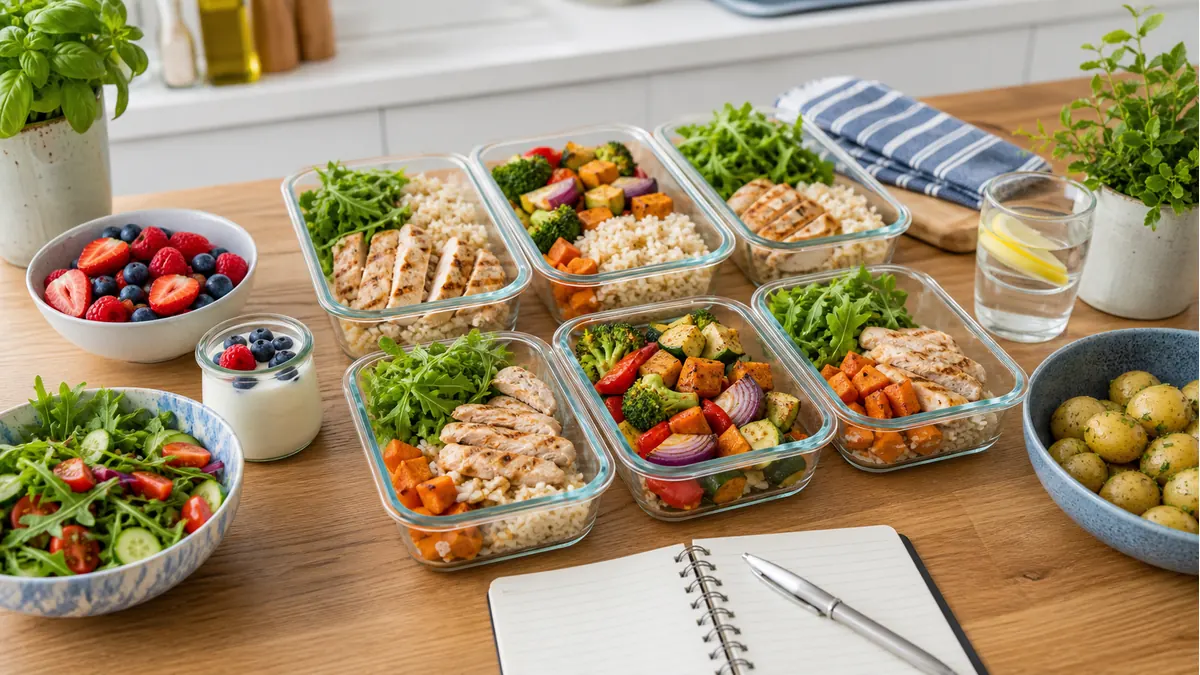
To turn these ideas into a full week, take the meal plan quiz or browse all UK meal plans.
For a structured lower-calorie week, compare the 1500 calorie meal plan hub, the low calorie meal plans and the calorie deficit guide.
The High Volume Low Calorie Foods Formula
Volume works best when it is not just a mountain of plain lettuce. Build meals with contrast: hot and cold, soft and crunchy, lean and saucy.
The best version is not complicated. Pick one main protein or fibre-rich base, add enough vegetables or fruit to make the portion feel generous, then use carbs, fats and sauces deliberately instead of letting them sneak in unnoticed.
- Use water-rich vegetables to make the plate bigger.
- Add lean protein so the meal is not just bulk.
- Use potatoes, beans or oats when you need staying power.
- Save calorie-dense extras for measured flavour, not unlimited garnish.
Best Foods for High Volume Low Calorie Foods
These are the supermarket staples worth building around first. They are easy to repeat, easy to portion and flexible enough to become breakfast, lunch, dinner or a snack depending on the week.
| Food | How to use it | Why it earns a spot |
|---|---|---|
| Broccoli and cauliflower | Add to bowls, curries, tray bakes and soups | Big portions for modest calories |
| Mushrooms and courgette | Bulk out mince, pasta sauce and omelettes | Absorb flavour and increase plate size |
| Salad bags and slaw | Use under wraps, chicken, tuna or potatoes | Crunch without cooking |
| Potatoes | Boil, bake or air fry | Filling carb that works in clear portions |
| Berries and melon | Use with yogurt or as a snack | Sweet volume for dessert-style cravings |
| Tinned tomatoes and soup veg | Make chilli, stew and curry bases | Creates sauce volume without cream |
Meal Ideas You Can Use This Week
Use these as plug-and-play ideas rather than rigid recipes. The exact calories depend on brands and portions, but the structure keeps the meal balanced and realistic.
| Idea | How to build it | Approx guide |
|---|---|---|
| Big chicken salad potato bowl | Chicken, potatoes, salad, cucumber, tomatoes and yogurt dressing | 500-600 kcal, high volume |
| Mince and mushroom bolognese | Lean mince stretched with mushrooms, courgette and tomato sauce | Portion depends on pasta |
| Prawn cauliflower rice stir-fry | Prawns, stir-fry veg, cauliflower rice and soy sauce | 350-500 kcal |
| Loaded vegetable soup | Soup veg, beans, chicken or lentils and bread if needed | 300-550 kcal |
| Skyr berry bowl | Skyr, berries, melon and a measured cereal topping | 250-400 kcal |
Sample Day of Eating
Here is a simple day showing how the ideas can sit together without turning the whole week into a spreadsheet.
| Slot | Simple option | Why it works |
|---|---|---|
| Breakfast | Skyr, berries and melon | Sweet volume early |
| Lunch | Loaded vegetable soup with chicken | Warm and filling |
| Snack | Veg sticks, salsa and cottage cheese | Crunch plus protein |
| Dinner | Mince and mushroom bolognese | Bigger sauce, controlled pasta |
| Dessert | Frozen berries with yogurt | High-volume sweet option |
Shopping List for the Week
A good basket gives you options, not chaos. Start with these staples, then repeat the easiest two or three combinations until the week feels automatic.
- Vegetables: broccoli, cauliflower, courgette, mushrooms, peppers, salad bags.
- Fruits: berries, melon, apples, oranges.
- Proteins: chicken, prawns, white fish, tofu, skyr, cottage cheese.
- Bases: potatoes, beans, lentils, tinned tomatoes, stock cubes.
Prep Notes That Stop the Plan Falling Apart
The difference between a useful food idea and another forgotten screenshot is the prep system around it. Keep the setup simple enough that you can do it when you are busy.
- Wash and chop salad veg once, but store wet ingredients separately.
- Roast a tray of low-calorie veg to add to lunches and dinners.
- Use mushrooms or courgette to stretch mince sauces.
- Keep frozen veg ready so volume does not depend on fresh shopping.
Common Mistakes
Most people do not fail because the food ideas are bad. They fail because the portions are vague, the meals are too dry, or the week has no backup option for the day that goes sideways.
- Adding volume but forgetting protein.
- Using high-volume foods as an excuse to ignore sauces, oils and toppings.
- Eating huge raw salads that do not satisfy you when a hot bowl would work better.
- Buying delicate salad with no plan and watching it wilt.
Frequently Asked Questions
What does high volume low calorie mean?
It means choosing foods that give a bigger portion for fewer calories, usually because they contain more water, fibre or lean protein.
Are potatoes high volume?
Potatoes can be useful because a clear cooked portion is filling. The calories rise quickly when they are fried in lots of oil or loaded with butter and cheese.
Can high-volume eating help with hunger?
It can make meals feel more satisfying for many people, especially when paired with enough protein and fibre. It is still portion-dependent.
Want this as a full 7-day plan?
We'll email the matching plan, its shopping list and a printable copy.
We'll send: Weight Loss Meal Plan — 1,500 kcal
Want a new plan every week? Join the MealPrep+ waitlist.
Find Your UK Supermarket Meal Plan
Answer seven quick questions to find a realistic weekly plan for your supermarket, calorie target, budget and dietary preferences.
Find My Meal Plan →