A 7-Day Meal Plan for Runners
Running can make an ordinary food shop surprisingly awkward: lunch needs to fit around work, dinner needs to be ready after a session, and a longer weekend run can disrupt both. Start with a week of familiar meals and adjust the schedule to your actual runs.
Use a Menu as an Example, Then Choose Your Portions
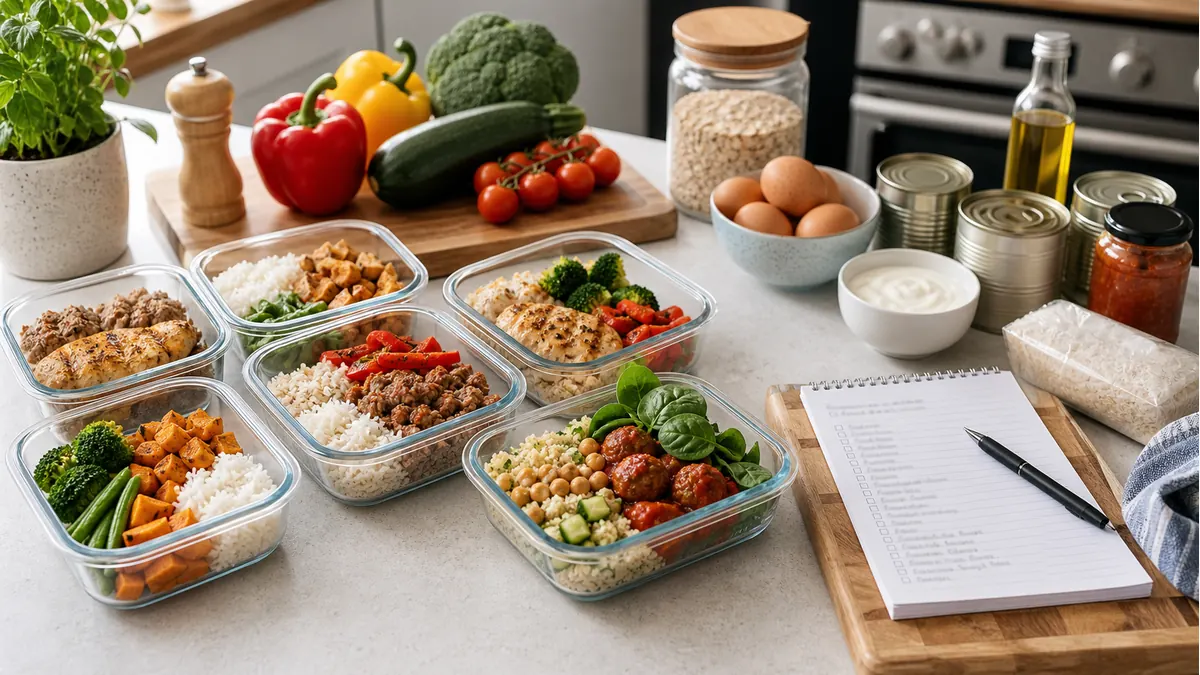
The linked Everyday Runner plan is an illustrative 2,200 kcal menu. That number is not a recommendation for every runner. Body size, everyday activity, training and individual circumstances affect requirements. Choose a suitable intake rather than assuming that running a certain distance determines your calorie target.
The meals include oats, chicken and rice, pasta, fish, potatoes, beans and eggs. Snacks are included in the shopping list. Check the calculated ingredients and allergens before shopping, and use the household controls when preparing food for more than one person.
Put Your Meals Around the Sessions You Already Do
Keep breakfast, lunch and dinner regular. If a run clashes with a meal, move the meal or use a familiar snack rather than simply missing it. A bigger meal usually needs more digestion time than a small snack; practise your own timing on ordinary training days.
For a longer session, a weekly food menu is only one part of preparation. Food and drink used during the run need their own plan. Test those choices in training and seek sports-dietitian advice when the demands of your training are difficult to manage.
Prepare Components Without Storing a Whole Week in the Fridge
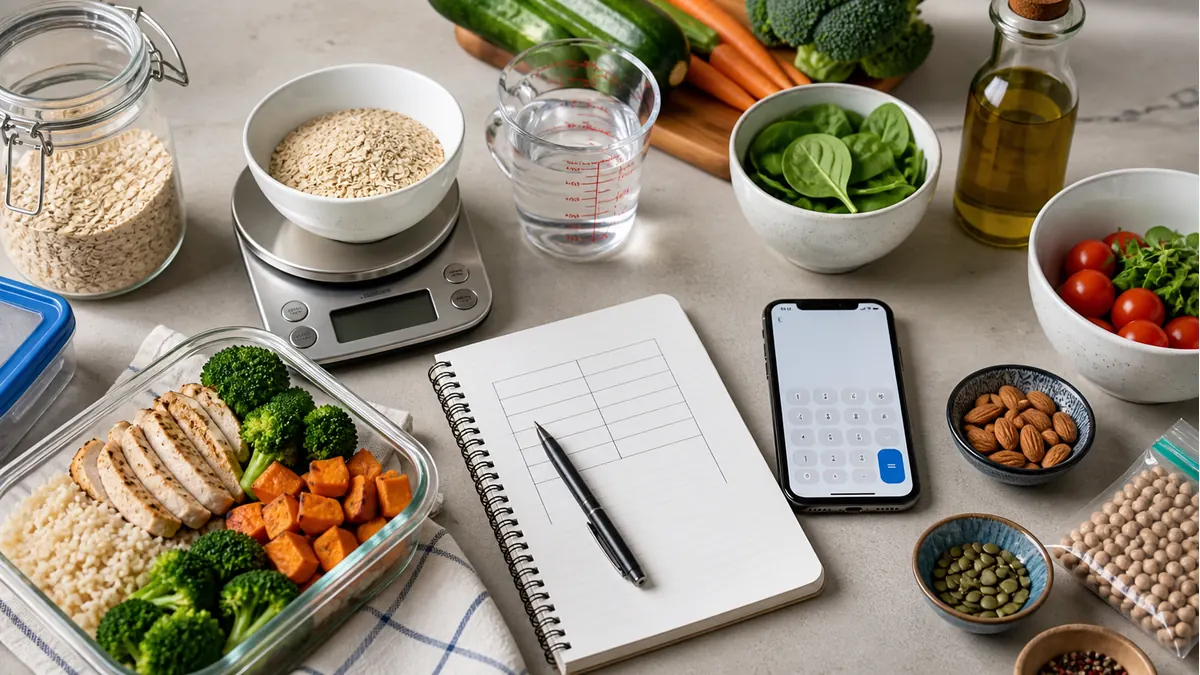
Chop vegetables and portion dry ingredients ahead. Cook sauces in batches, refrigerating only the portions you will eat within 48 hours and freezing later portions. Label containers with the dish and date.
Rice needs particular care: cool it quickly, ideally within one hour, refrigerate for no more than one day, and reheat only once. Freeze portions intended for later in the week rather than leaving a Sunday batch in the fridge until Friday.
Walk Through a Working Week Before You Shop
On Sunday, check which evenings you will be home and which meals need to travel. Choose two containers for the next working day and reserve freezer space for later portions. A menu only saves time when the equipment and storage are available. If you have no freezer, shop and cook smaller batches twice during the week instead of preparing seven days at once.
On Monday and Tuesday, use the chicken rice lunches while the ingredients are fresh. Later in the week, the jacket potatoes and pasta lunches can be cooked around other jobs. Keep the salmon meals for days when you can cook and eat them promptly. A simple note on the fridge helps distinguish an ingredient waiting to be cooked from a portion that has already been cooked and needs using.
Before buying anything, compare the shopping list with your cupboards. The list describes ingredients used, while the supermarket sells whole packs. Keep remaining dry rice and pasta for another week, and freeze suitable surplus ingredients. If you change a recipe, its displayed nutrition and shopping list will only remain accurate when the change is made through the plan tools.
Frequently Asked Questions
Is this calorie target right for every runner?
No. These are example menus. Requirements vary with the person and training; choose appropriate portions and seek individual advice where needed.
Want this as a full 7-day plan?
We'll email the matching plan, its shopping list and a printable copy.
We'll send: Everyday Runner Meal Plan — 2,200 kcal
Want a new plan every week? Join the MealPrep+ waitlist.
Find Your UK Supermarket Meal Plan
Answer seven quick questions to find a realistic weekly plan for your supermarket, calorie target, budget and dietary preferences.
Find My Meal Plan →