What to Eat Before a Run: Practical Meal Ideas
The most useful pre-run meal is one you can prepare, enjoy and tolerate. An early morning easy run and a longer weekend session may need different arrangements. Use training to learn what works before relying on a new breakfast on race morning.
Start with the Time Available
With several hours available, a familiar breakfast such as porridge or toast may fit comfortably. With less time, a smaller snack such as toast and jam or a banana may be easier to tolerate. These are options, not a requirement to eat immediately before every short run.
Notice how you feel when you change the meal size or timing. Avoid changing several things at once: otherwise you cannot tell whether the food, portion, timing or session caused discomfort.
Keep the Food Familiar
Higher-fat or higher-fibre meals can feel uncomfortable close to a run for some people. A bean-based dinner can still belong in a balanced week without being the meal you choose immediately before a demanding session.
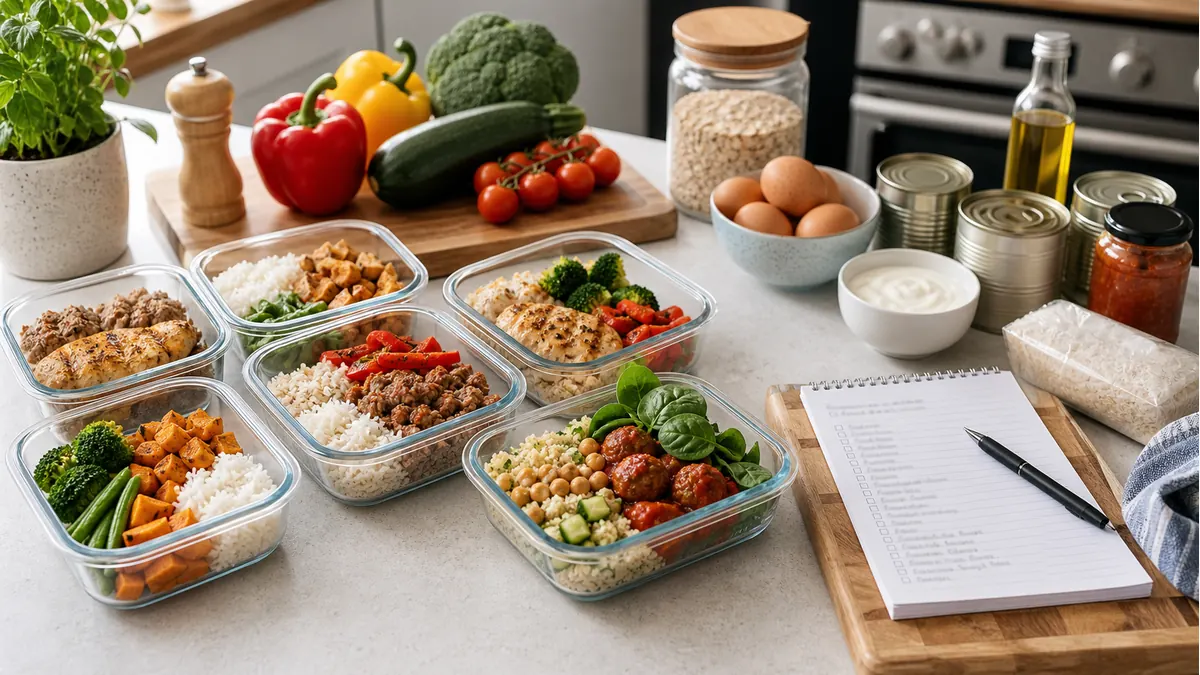
Prepare overnight oats in a covered container and refrigerate them. Add banana before serving. For toast, slice the bread and set out the spread in advance, then prepare it fresh. Keep dairy foods chilled.
Separate Breakfast from the Rest of Your Fuelling
A breakfast does not replace food and fluid needed during a prolonged run. Practise the complete routine, including how you carry food and drink. Event arrangements and personal tolerance matter.
The linked half-marathon meal plan illustrates everyday eating around training. Its calorie target is an example, not a prediction of your needs or a race-day fuelling prescription. Move meals to suit your training schedule.
Build a Repeatable Morning Routine
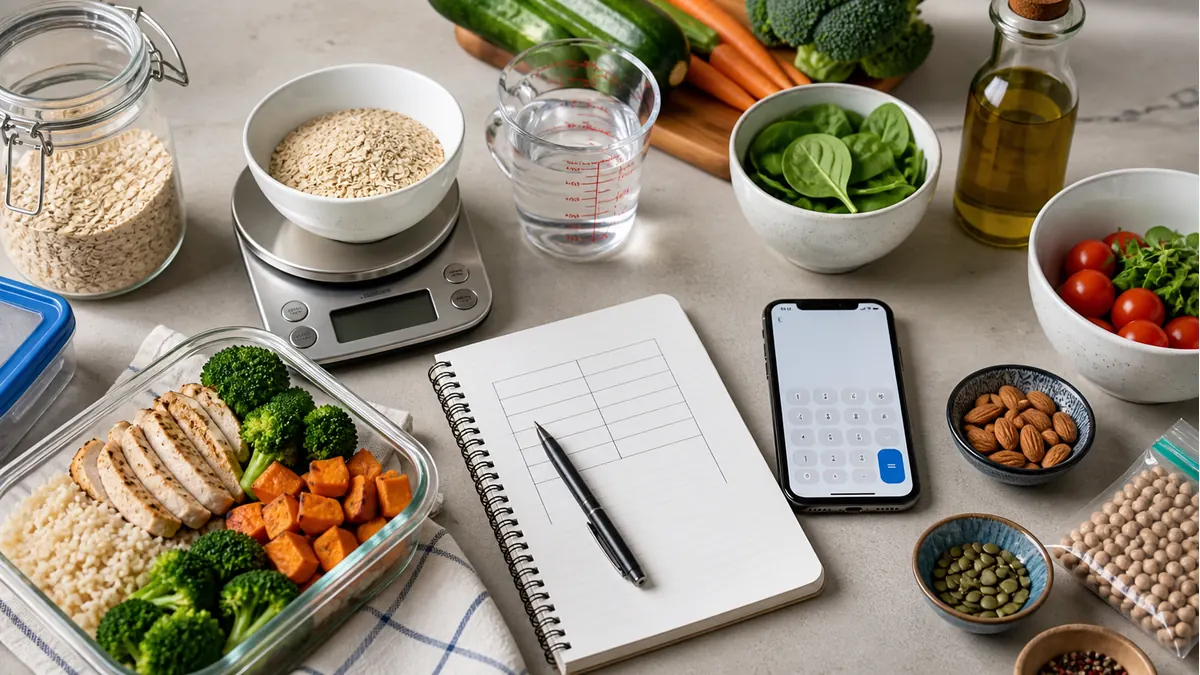
Start by choosing one breakfast that you already eat comfortably. Write down when you ate it, roughly how much you ate and when the run started. After the session, note whether you felt hungry, comfortable or overly full. This is more useful than copying a race breakfast without knowing whether it suits you. You do not need to record every nutrient to spot a practical pattern.
For a morning with little preparation time, put the bowl, spoon and ingredients where you can find them, or make a covered oat pot the evening before. Keep the pot refrigerated and transport it in a cool bag if you will eat away from home. For toast, prepare it fresh rather than leaving a dairy-containing topping at room temperature while you run.
On a weekend, rehearse the same sequence you expect to use before an event, including travel and access to water. If eating very early is difficult, adjust the timing gradually during training. Persistent stomach symptoms deserve individual advice; a general list of breakfast foods cannot diagnose their cause. Avoid introducing a new supplement or a very different portion on an important race morning.
Frequently Asked Questions
Is this calorie target right for every runner?
No. These are example menus. Requirements vary with the person and training; choose appropriate portions and seek individual advice where needed.
Want this as a full 7-day plan?
We'll email the matching plan, its shopping list and a printable copy.
We'll send: Half-Marathon Training Meal Plan — 2,500 kcal
Want a new plan every week? Join the MealPrep+ waitlist.
Find Your UK Supermarket Meal Plan
Answer seven quick questions to find a realistic weekly plan for your supermarket, calorie target, budget and dietary preferences.
Find My Meal Plan →